What I did in the 8 seconds after I hit the ground!
Updated: Nov 16
Most people only see the fall.
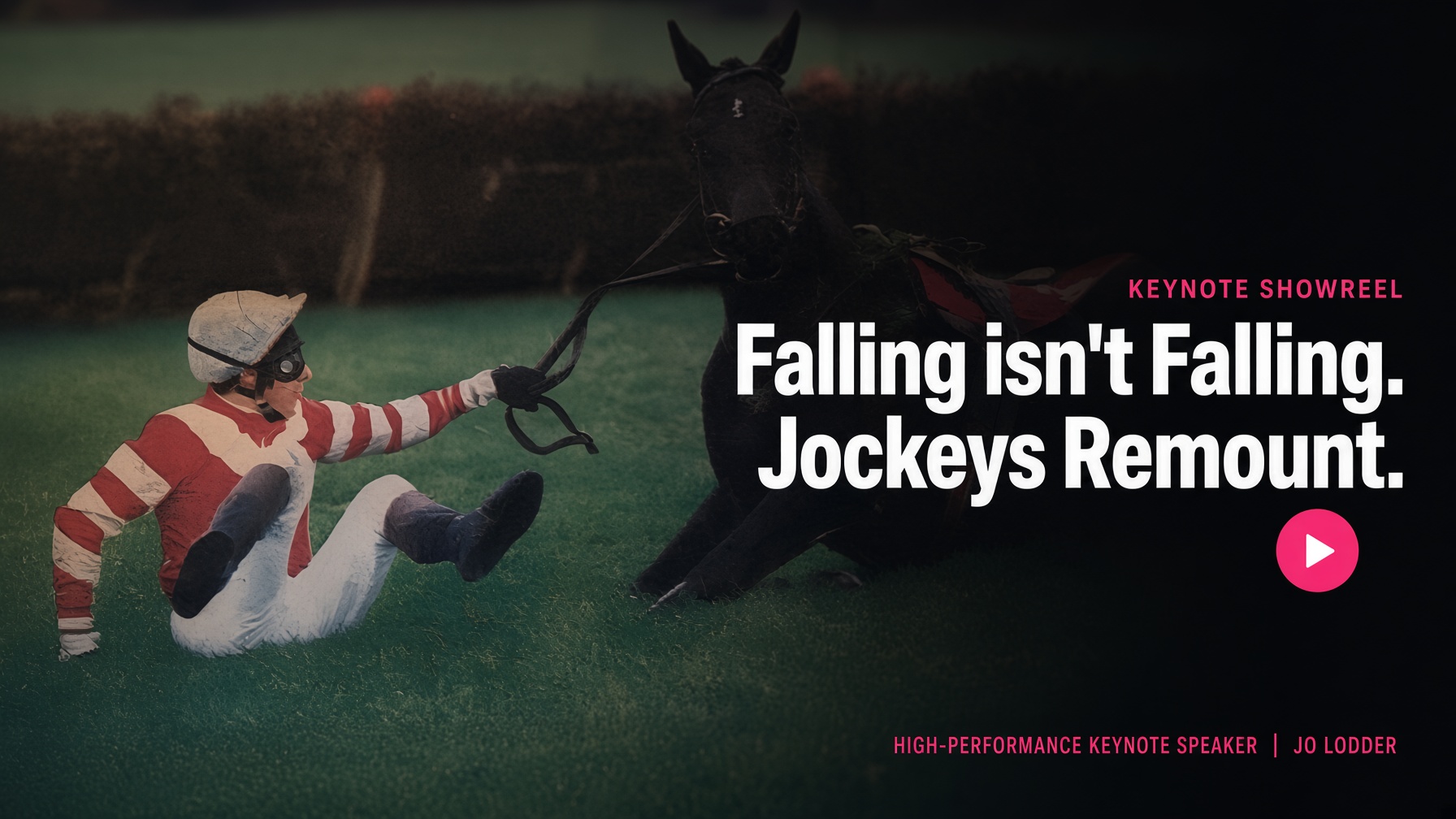
I was clear at the last on General Pershing at Sandown. Live television. The race looked won. Then the horse and I both went down.
What almost no one talks about is the next few seconds. I wasn’t thinking about the crowd or the cameras. I was checking two things: was the horse sound, and could I still get back on before the others disappeared.
I remounted. We finished fourth.
The papers called it “The Fall and Rise of General Pershing.” Some of the other jockeys had a laugh. Steve Smith Eccles, who won the race, said on live television that he would have won anyway. Everyone who saw the finish knew that wasn’t true. After remounting, I wasn’t beaten far.
That mattered. The fourth-place prize money covered the costs. The horse had already won twice for the same owners. They had bought him for £10,000. That day he was sold for £30,000 - serious money in 1989. A clear profit.
Getting back on, and finishing close enough that the result still looked honest, made the decision easy for the buyers. A fall at the last on live television could have killed the interest. Instead, the original connections walked away happy.
One decision on the ground turned a fall into a result that worked for everyone involved.
Jump jockeys fall once every ten rides and lose far more often than we win. The ones who last don’t have better luck. They have a short process for the moment right after something goes wrong.
Get up and check what is still usable.
Decide in seconds whether the race is still on.
Leave the mistake on the ground and ride the horse you have now.
Teams do the opposite under pressure. A missed target or a public miss triggers more meetings, tighter controls, and slower decisions. The leader pulls the reins harder. The team freezes or waits for permission. Momentum dies.
The teams that recover fastest run a version of the same three steps. They look at what still works, make the next call quickly, and stop replaying the error. They loosen the grip instead of tightening it.
I rode professionally and boxed in my twenties. Most of what I’ve built that actually lasts has happened since I turned 50. The process didn’t change. The willingness to use it did.
Falling isn’t failing. Staying down is.
The same rule applies whether you’re on a horse at Sandown or leading a team that just had a bad quarter.
If your leadership team is navigating shifting conditions right now and you want the full framework behind this, reply, and I’ll send it over.
Jo